
A complete breakdown of composite door insulation
Many people judge a front door by its colour, style or security. Far fewer think about what is happening inside the door itself, even though that’s where its biggest performance benefits are found.
The materials hidden beneath the surface determine how well a door resists heat loss, blocks draughts and keeps your home comfortable throughout the year. Understanding how composite doors are built explains why they are recognised for their excellent thermal performance. From the insulated core to the weather-resistant outer skin, every component has a specific role to play.
Built for excellent insulation
The benefits of composite doors begin with their construction. Rather than using a single material, they combine carefully selected components that work together to provide excellent insulation, durability and long-term performance.
At the centre is a high-density polyurethane foam core. This is the primary insulating layer, slowing the movement of heat through the door and helping maintain a comfortable indoor temperature. Entrance Composite Door Solutions’ doors are proven to be 19 per cent more thermally efficient than standard timber doors, helping reduce heat loss and contributing to lower heating bills. Many door styles also achieve U-values as low as 1.1 W/m²K, comfortably exceeding current Building Regulations for replacement external doors.
Every layer has a purpose
Surrounding the insulated core is a durable GRP outer skin with an authentic timber grain finish. As well as enhancing the door’s aesthetic appeal, its UV-resistant surface helps prevent peeling and cracking while protecting against scratches and everyday wear.
Unlike timber, the GRP outer skin resists warping and movement caused by changing weather conditions, helping the door maintain a tight seal that prevents draughts. Its excellent weather resistance also keeps maintenance costs low, with little more than occasional cleaning using a damp cloth required to keep the door looking its best.
Preventing draughts
Even the best insulated door needs an effective seal. High-quality weather seals fitted around the frame work with a multi-point locking system to pull the door tightly into place when closed, reducing unwanted air leakage.
Entrance Composite Door Solutions also offers a choice of glass designs with double or triple glazing and Low-E coatings. These help reflect heat while allowing natural light into the home, improving comfort and supporting excellent energy efficiency throughout the year.
How composite doors compare
The key differences between composite doors and other external doors become clear when insulation is compared.
Timber doors offer natural insulation but can expand, contract and warp over time, creating gaps that allow warm air to escape. Standard uPVC doors generally have a simpler construction and typically cannot match the insulation properties of quality GRP composite doors.
It is this combination of a high-density foam core, durable GRP outer skin and effective weather sealing that makes composite doors such a popular choice for homeowners looking to improve comfort and reduce energy use.
The Entrance Way
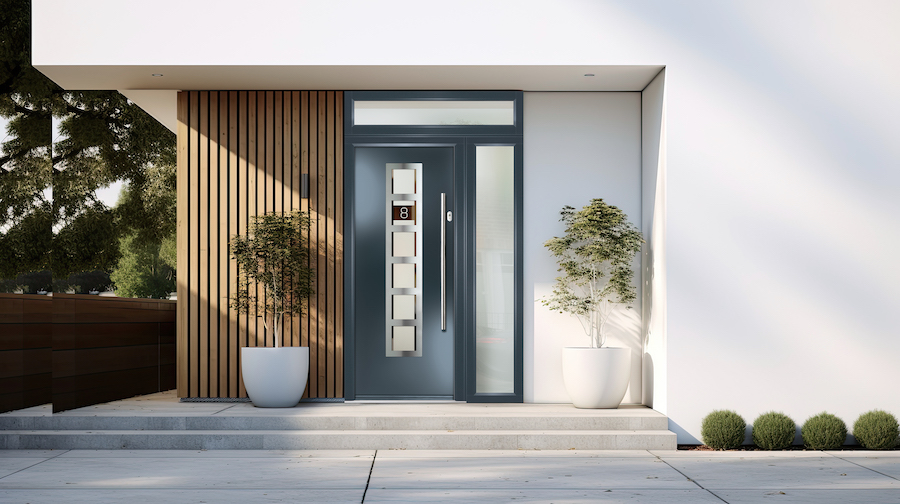
Choosing the right door is about balancing performance with appearance. Whether your property is one of Britain’s traditional homes or a contemporary build, Entrance Composite Door Solutions offers a wide range of styles, colours, glass designs and hardware options to suit every personal taste. Using the company’s door designer, homeowners can explore different design options to create the perfect door while enhancing their home’s kerb appeal.
This approach is known as the Entrance Way. It reflects Entrance Composite Door Solutions’ commitment to building doors that combine outstanding thermal performance, lasting durability, attractive design and dependable customer service. The result is a new entrance door that delivers excellent insulation, superior security and outstanding overall value for years to come.
- For more information about composite doors, contact us here.