
How do composite doors improve energy efficiency?
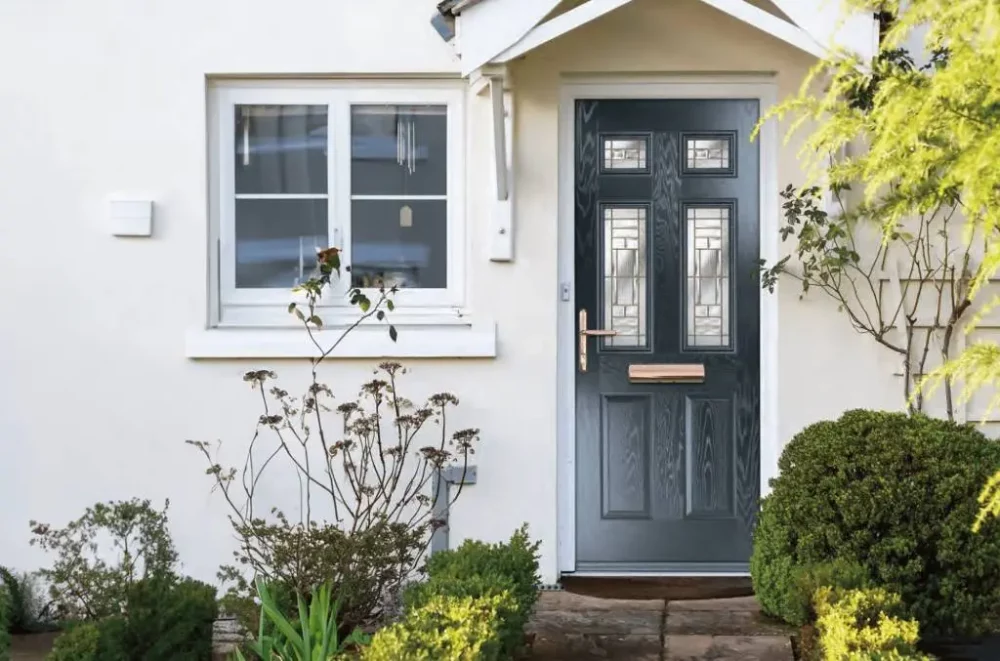
If you’ve noticed a draught creeping in around your front door on a cold morning, you’re not imagining things. Doors are one of the most significant sources of heat loss in a home – and in the colder months, that lost warmth adds up quickly on your energy bills.
The good news is that a new composite door is one of the best ways to address the problem. Composite doors are built specifically to prevent heat escaping, keep cold air out, and maintain a comfortable temperature inside your home.
In this guide, we’ll explain exactly how they do it – and why so many UK homeowners are making the switch.
What makes a composite door energy efficient?
The answer lies in how they’re made. An energy efficient composite door isn’t a single material with a coat of paint – it’s a carefully engineered blend of materials, each chosen to play a specific role in the door’s thermal performance.
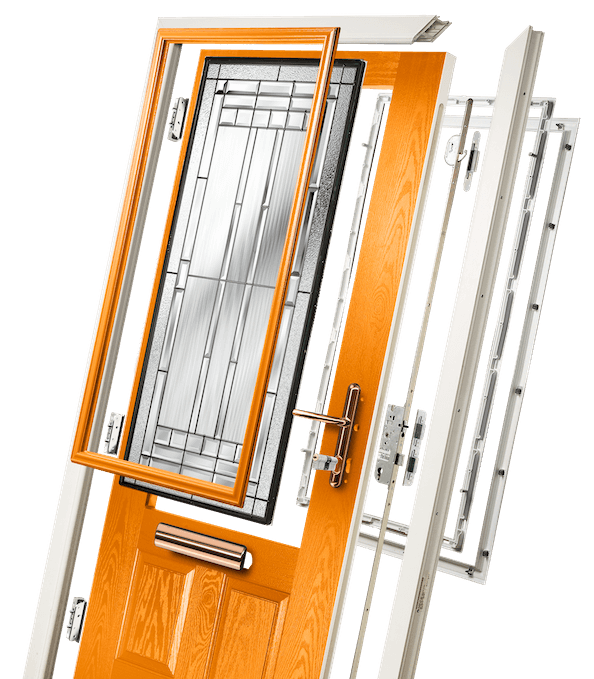
A typical GRP composite door consists of:
- A glass reinforced plastic (GRP) outer skin – tough, weather-resistant and virtually impervious to the elements
- A high-density foam core – the primary insulating layer, which dramatically reduces heat transfer between inside and outside
- A uPVC or timber subframe – providing structural integrity and a further barrier to heat loss
- Multi-point locking hardware and compression weather seals – closing the gaps where cold air can enter
It’s this combination of materials, working together, that gives composite doors their superior thermal performance. Compared to older wooden doors, which can shrink and warp over time creating draughts, or standard uPVC doors with thinner panels, a well-specified composite door is in a different class entirely.
Understanding U-values: The measure of thermal efficiency
When comparing energy efficient composite doors, you’ll likely come across the term U-value. It’s a straightforward concept once you know what it means.
A U-value measures the rate at which heat passes through a material. The lower the number, the less heat escapes – and the better the door’s thermal efficiency.
Under UK Building Regulations (Part L), replacement external doors must achieve a U-value of 1.4 W/m²K or lower. At Entrance Composite Door Solutions, many of our composite doors achieve U-values as low as 1.1 W/m²K – comfortably ahead of the regulatory requirement and well-positioned as standards continue to tighten.
For homeowners, this matters for two reasons:
- Comfort – a thermally efficient door means fewer cold spots and draughts
- Cost – less heat escaping through the door means your heating system works less hard, which translates directly into lower energy bills
How the foam core does the heavy lifting
The foam core is the unsung hero of composite door energy efficiency. Sandwiched between the GRP outer skin and the inner frame, this high-density insulating layer is what prevents warm air from escaping and cold air from filtering in.
Unlike traditional timber, which is porous and can change shape with temperature and humidity, the foam core in a composite door stays stable year-round. It doesn’t warp, shrink or crack – meaning the thermal seal remains intact for the lifetime of the door.
This consistency is particularly valuable during the colder months when the temperature difference between inside and outside is greatest, and heat loss through a poorly insulated door is at its highest.
Can glass designs compromise thermal efficiency?
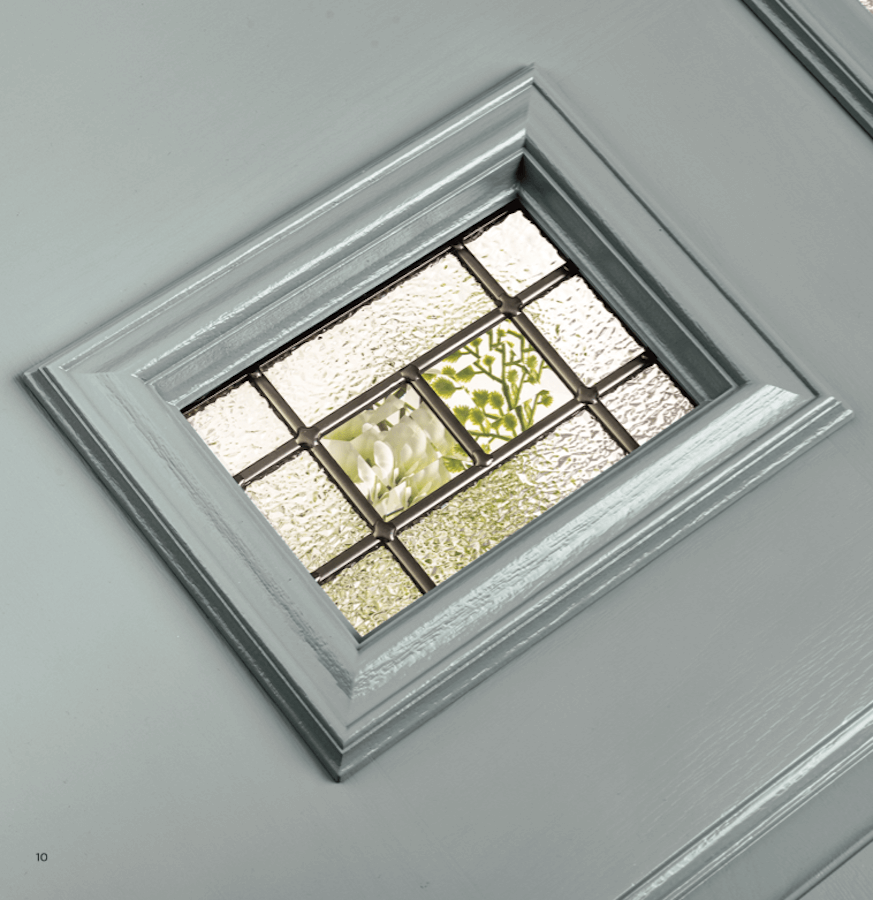
Not if you choose the right option. Modern double-glazed units use low-emissivity (low-e) glass that allows natural light in while reflecting heat back into the room. Paired with quality sealing, a well-specified glazed composite front door can achieve excellent thermal performance without sacrificing the light or character that a glass panel brings.
At Entrance Composite Door Solutions, our range of glazing options is designed to complement the thermal performance of the door as a whole, so you don’t have to choose between style and energy efficiency.
Composite doors vs uPVC doors vs wooden doors: The thermal performance comparison
It’s worth understanding how energy efficient composite doors stack up against the alternatives.
Wooden doors have natural insulating properties, but they’re vulnerable to the elements. Over time, timber expands and contracts with changes in temperature and moisture, which can leave gaps around the frame – exactly where cold air gets in. They also require regular maintenance to stay in good condition, which many homeowners find impractical.
uPVC doors are a reasonable mid-market option, but their thinner construction and simpler core mean they generally can’t match the insulation levels of a quality composite. They’re functional, but the thermal performance ceiling is lower.
GRP composite doors sit at the top of the performance table. The combination of a dense foam core, a sealed GRP outer skin and a well-fitted frame means heat transfer is minimised at every level. For homeowners who want genuine energy efficiency from their front door, a new composite door is the excellent choice.
A smart long-term investment
Replacing your front door with a new energy efficient composite door isn’t just about comfort – it makes financial sense too. Lower energy consumption over the years adds up to meaningful savings, and a well-specified composite door can also contribute positively to your home’s Energy Performance Certificate (EPC) rating, which is increasingly relevant for both mortgage lenders and prospective buyers.
Add to that a 25-year guarantee, low maintenance requirements, and a wide range of colours and composite door styles to suit any property, and it’s clear why composite doors are the popular choice for homeowners across the UK.
Ready to find your energy efficient composite door?
At Entrance Composite Door Solutions, our friendly team is here to help you find the right door for your home and your specific requirements. With a range of composite front doors across modern and traditional styles, a wide range of colours and extensive glazing and hardware options, there’s a combination to suit every property.
Get in touch with the team today to explore our range or request a free quote.