Are wood effect composite doors suitable for period properties?
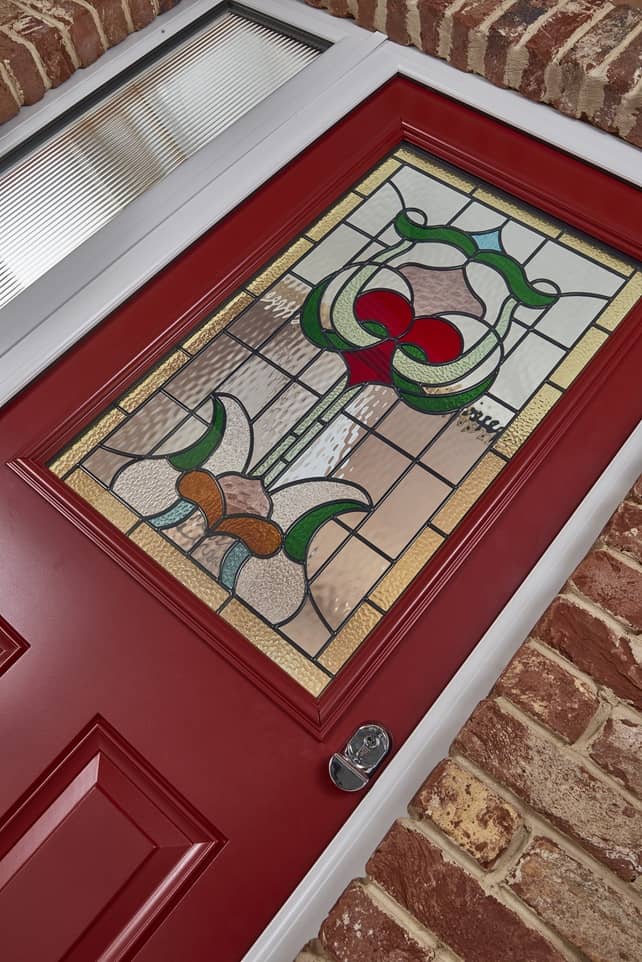
Wood effect composite doors can be a practical choice for period properties, offering the appearance of traditional timber with the durability and low-maintenance benefits of modern materials. The key is to choose a door whose finish and design complement your home, whether it is a Victorian terrace, an Edwardian townhouse or a country cottage.
With the right combination of colour, panel design, glazing and hardware, a composite door can provide a traditional-looking entrance without the regular upkeep associated with a solid wood door.
Choosing the right wood effect finish
Wood effect does not have to mean a textured woodgrain finish. Entrance Composite Door Solutions offers two distinct GRP surface finishes, each creating a different look.
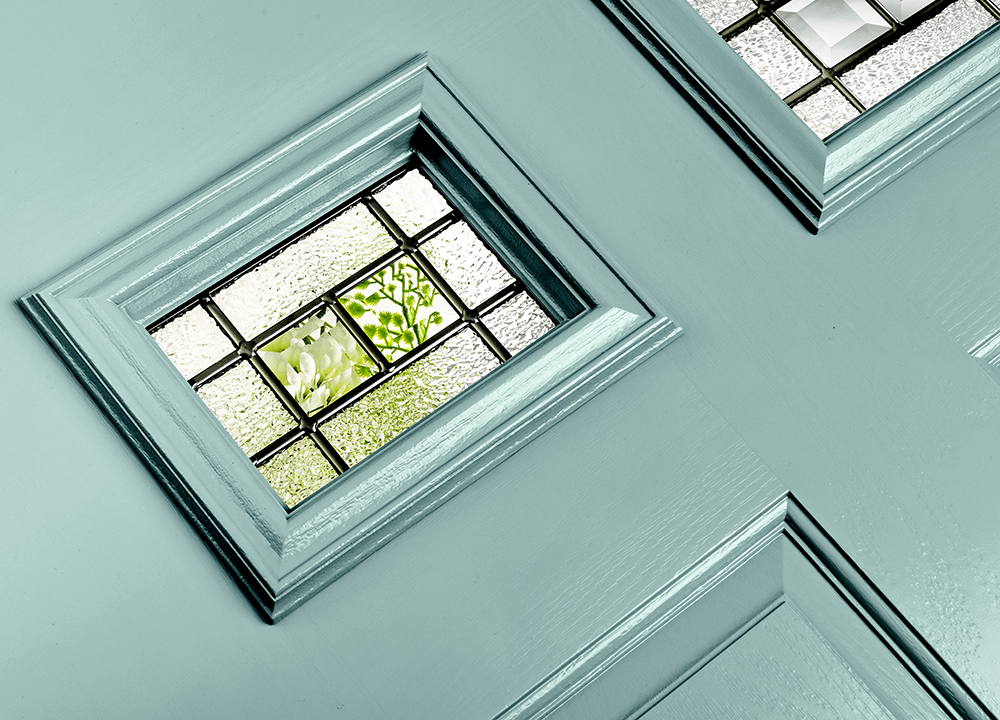
Woodgrain finishes replicate the texture of natural timber, making them a good option if you want to capture the character of a traditional wooden door. Smooth finishes, by contrast, are designed to recreate the appearance of painted wood, where the natural grain is concealed beneath the paint. This can be particularly suitable if you prefer a classic painted finish.
The door design matters just as much as the surface. Panelled layouts and traditional proportions can help a replacement door complement the architecture of an older home. For inspiration, explore Entrance CDS’s guides to wood effect door colours and finishes and traditional composite doors.
Colours, glazing and hardware
The right finishing details help a new door sit comfortably within its surroundings. Consider how its colour will work with your brickwork, stonework, render and existing windows. Heritage-inspired shades can suit period homes, while a natural woodgrain finish offers a different way to complement traditional materials.
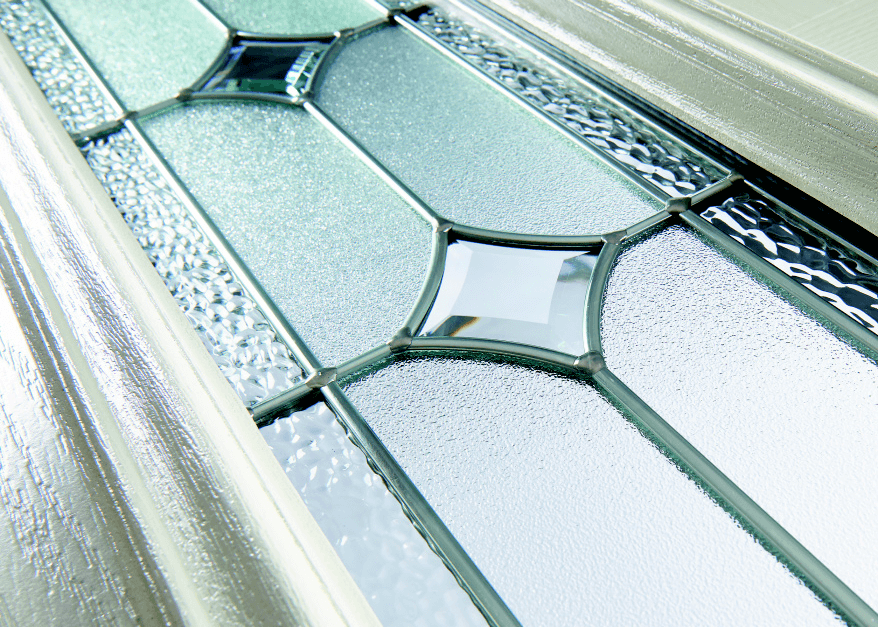
Decorative glazing, including leaded designs and stained glass, can add character while allowing natural light into the hallway. Panel arrangements and traditional-style door furniture can also help create an entrance that reflects the age and character of the property.
Look at the whole frontage before making your choice. A well-matched door should complement the building rather than draw attention away from its original features.
Modern performance with less maintenance
Traditional timber doors need appropriate care to protect them against the weather. Depending on their finish and condition, this can include sanding, painting or varnishing. Composite doors with GRP skins generally require much less routine maintenance, making them an attractive alternative for homeowners who want a timber-inspired appearance without the same upkeep.
Their insulated construction can also help limit heat loss. Actual thermal performance depends on the door specification, frame and installation, so check the details of the model you choose rather than assuming every door performs identically.
What about listed buildings and conservation areas?
Before replacing an original door, check whether your property is listed or subject to local planning restrictions. Replacing a door on a listed building will generally require listed building consent, while requirements for properties in conservation areas depend on the circumstances.
Contact your local planning authority before ordering a replacement. Where an original door contributes to the building’s historic character, repair may be preferable to replacement.
Find a wood effect composite door to suit your home
Wood effect composite doors offer different ways to achieve a traditional appearance, from textured woodgrain to smooth finishes that recreate painted timber. The right choice will depend on your property’s architecture, your preferred finish and any relevant planning requirements.
- To discuss your requirements or request a free quote, call 0115 982 7744, email enquiries@entrancecds.com or visit the ECDS contact page.